 |
|||||||||||||||||||||||||||||||||||||||||||||||||||||||||||||||||||||||||||||
      |
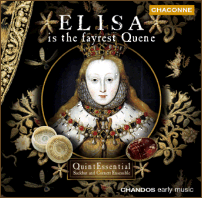
Elisa is the fayrest QueneIn 1558 the hopes and dreams of the English people for a better society, after the ravages of the reign of Queen Mary, were intertwined with their aspirations for the new Tudor monarch, Elizabeth. Over the next forty-five years she was to prove herself one of the most able of the Tudors, securing both international respect and the affection of her subjects. Elizabeth I lived and ruled at a time when England was experiencing the beginning of its growh from provincial nation into world empire. The programme recorded here aims to illuminate a small part of the rich tapestry that was Elizabethan music-making, namely the music of the cornetts, sackbuts, the solo voice, and the Queen's own instruments, the lute and the keyboard. The disc takes its title from a song by Edward Johnson who is represented alongside such other well known composers as William Byrd, John Dowland, Antony Holborne, John Bull and John Wilbye. Dances by the enterprising composer-publishers Pierre Attaignant and Claude Gervaise fit naturally within the programme, as does a pair of dances by Augustine Bassano, member of a numberous Italian immigrant family which left its mark on the court's musical life for over a century. Track List
 Recordings Recordings |
||||||||||||||||||||||||||||||||||||||||||||||||||||||||||||||||||||||||||||